
How construction software platforms can help solve cash flow challenges, reduce DSO, and transform payments into a growth engine
Cash flow is one of the biggest challenges in construction. When billing cycles stretch, retainage delays pile up, or subcontractors wait to get paid, margins erode fast.
Construction is a margin-thin business. Margins typically sit between 3–7%, and 82% of firms report cash flow challenges as a persistent concern. When billing cycles stretch or subcontractor payments stall, those already-tight margins erode fast.
Most conversations focus on how contractors can fix these issues—through better invoicing, tighter AR processes, or improved collections. But there’s another lever that’s often overlooked: the construction software platforms those contractors rely on every day.
For construction management platforms, this is both a problem and an opportunity. Most have already embedded payments into their product. But embedding payments isn’t the same as optimizing them—and that gap is where real growth potential lives.
Payments Are Already Part of the Job—Are They Doing Their Part?
Construction management software sits at the heart of milestone billing, retainage, and contractor payments. When payments work well inside the platform, financial workflows accelerate across the entire project lifecycle: contractors invoice faster, funds move sooner, and project managers spend less time chasing down collections.
In other words, improving cash flow, reducing days sales outstanding (DSO), and streamlining AR doesn’t just happen at the business level—it’s increasingly driven by how well payments are integrated into the platform experience.
When implemented strategically, embedded payments can help platforms:
- Improve cash flow predictability
- Reduce days sales outstanding (DSO)
- Increase contractor adoption of digital workflows
- Generate incremental recurring revenue
According to McKinsey, digitizing construction financial workflows can improve productivity by 10–15%. Payments sit at the center of that transformation.
Signs Your Payments Program Has Stopped Growing with You
As platforms scale, payments programs tend to reach operational stability—and then plateau. The system works, so it doesn’t get much attention. But stability and optimization are different things.
Some common indicators that a payments program may be underleveraged:
- Limited visibility into payments revenue performance
- Contractor adoption that stalls after initial onboarding
- Integrations that haven’t kept pace with the rest of the product
- Payments treated as infrastructure rather than a revenue driver
At the surface, these may look like product or operational challenges. But underneath, they show up as delayed payments, heavier admin lift, and a more fragmented experience for the customers your platform serves.
Individually, these may feel manageable. Together, they quietly put a ceiling on growth.
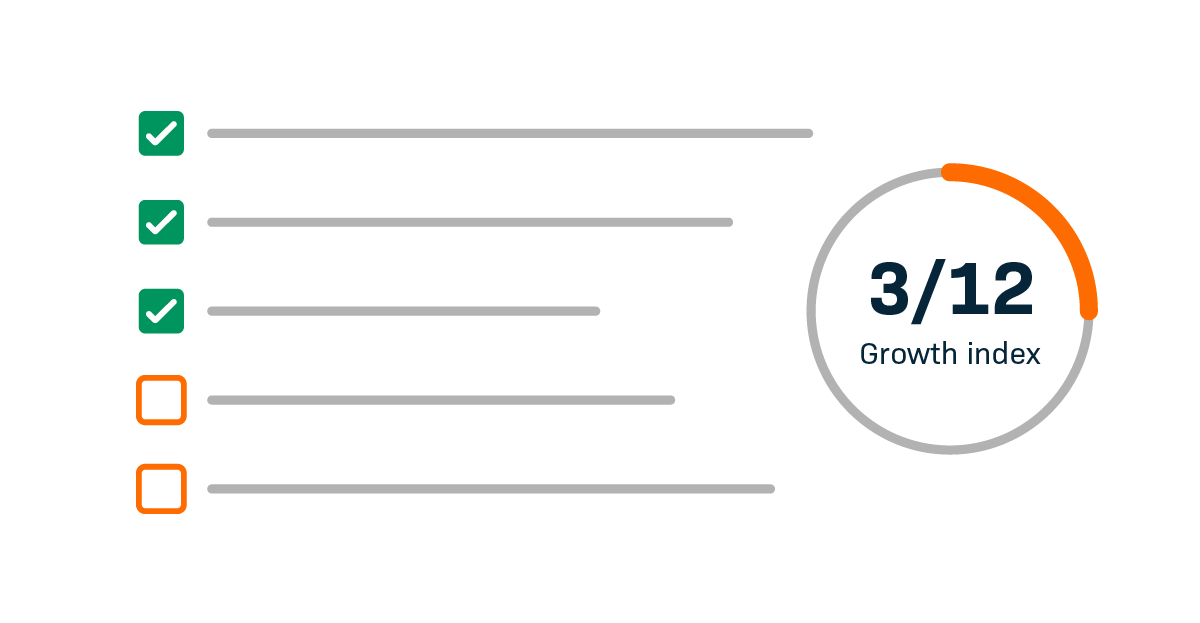
A Smarter Way to Evaluate Payments Performance
The most effective embedded payments programs don’t just process transactions—they’re built around a clear understanding of how payments affect the broader platform strategy. That means regularly evaluating performance across a few core dimensions:
- Revenue transparency: Can you clearly see what payments are contributing to the business?
- Contractor adoption depth: Are users actually paying and getting paid within the platform, or working around it?
- Integration flexibility: Can the payments layer evolve as the product does?
- Strategic alignment: Is payments part of the product roadmap, or an afterthought?
When these areas aren’t aligned, the result isn’t just an underperforming payments program—it’s missed revenue opportunities, limited visibility into performance, and financial workflows that don’t scale with the platform.”
Most platforms lack a clear view across all four dimensions—creating a gap between what their payments program does and what it could deliver. That gap, between functional and optimized, is where Fortis comes in. As a payments partner purpose-built for software platforms serving B2B businesses, Fortis goes beyond processing to help teams evaluate their current strategy, identify missed revenue opportunities, and build a roadmap for stronger performance.
The result is a more collaborative, growth-oriented approach—moving beyond a vendor relationship to a true partnership.
The Bottom Line
U.S. construction spending exceeds $2 trillion annually. At that scale, even small inefficiencies compound quickly. A payments program that’s merely functional is a missed opportunity.
The real opportunity isn’t just processing payments—it’s helping your customers get paid faster, operate more efficiently, and remove the friction that slows down their business.
The platforms gaining competitive ground in construction aren’t just the ones with the best project management tools. They’re the ones that have made financial workflows—payments included—a seamless part of how work gets done. That’s the difference between payments as plumbing and payments as a growth lever.
Where to Go From Here
If you’re curious how your payments program stacks up—or where the next layer of growth might be hiding—it starts with a conversation. Talk to a Fortis payments expert to explore what’s possible for your platform.
More posts in Blog
-
Building Payments Around the Way Construction Actually Works
-

Building a Stronger Manufacturing Platform With Embedded Payments
-
Your embedded payments program is live. Is it actually growing?