Read time: 3 minutes
Your embedded payments program is live. Transactions are processing, customers are using it and revenue is coming in.
But is your payments program reaching its full growth potential?
That’s harder to answer. How much of your revenue opportunity are you capturing? Is payment adoption continuing to grow? Can your integration keep pace with your product roadmap? And does payments have the visibility and ownership it needs to become a true growth driver?
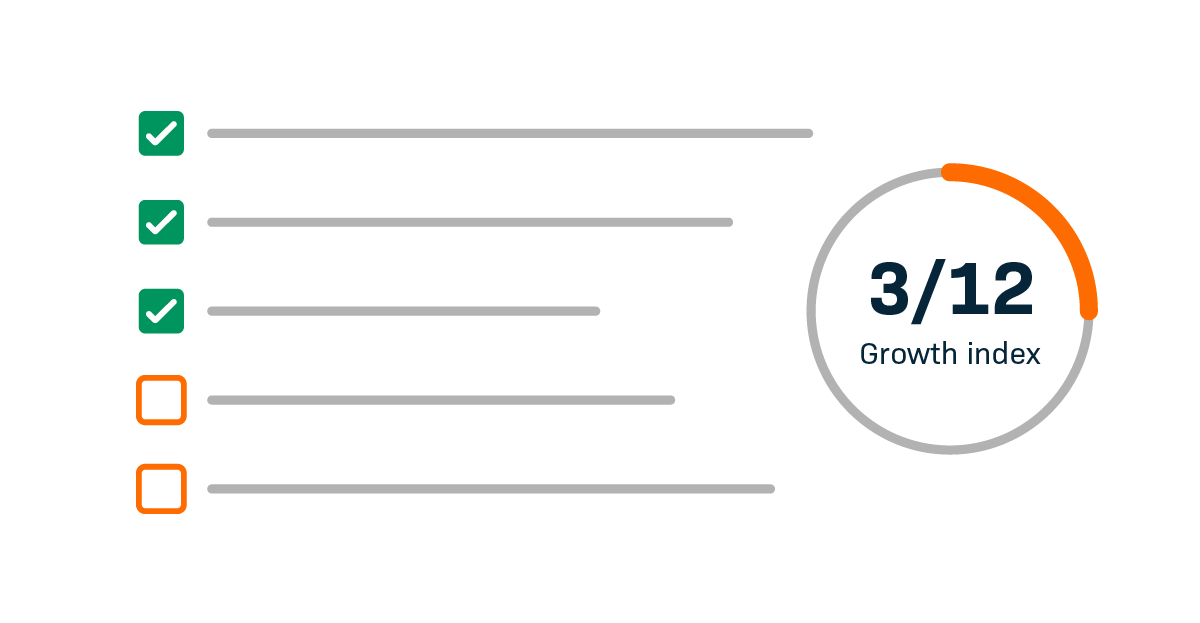
The Fortis Partner Growth Index is a free, two-minute assessment designed to help software platforms answer those questions. It evaluates your payments program across four growth drivers and gives you a clearer picture of where you stand, and where opportunities may exist.
Going live is only the beginning
Launching embedded payments is a significant milestone, but it’s not the finish line.
As your business and customer base grow, your payments program needs to grow with them. Customer needs change. New products and workflows emerge. Adoption can plateau. And revenue opportunities that were difficult to see at launch can become increasingly important.
Partners that get more from embedded payments treat them as an ongoing growth program, not simply a capability that was implemented and left to run.
The question shifts from “Are payments working?” to “How effectively are we managing payments for growth?”
That’s what the Partner Growth Index is designed to help uncover.
Four drivers of payments growth
The Growth Index looks beyond processing performance to evaluate four dimensions that can indicate how effectively your organization is operationalizing payments for growth.
Revenue visibility
Payments may be generating revenue, but understanding the full opportunity requires visibility into what’s driving that performance.
Can you connect payment volume and revenue to specific products or customer segments? Is payment performance built into your standard business reporting? Does someone have clear ownership of payments revenue performance?
The right visibility turns payment data into insights your teams can use to make more informed growth decisions.
Payment adoption
Getting customers live on payments is only the beginning. Sustained growth requires an ongoing strategy for increasing adoption beyond initial onboarding.
That means understanding which customers have activated payments, where opportunities remain and which strategies are successfully driving greater participation.
When payment adoption becomes a core business metric, with clear targets, dedicated ownership and a plan for continued growth, it becomes something your organization can actively manage rather than simply monitor.
Integration flexibility
Your payments integration should evolve alongside your product roadmap.
As your platform introduces new capabilities or responds to changing customer needs, payments shouldn’t become a bottleneck. The right flexibility makes it easier to support new workflows and pursue growth opportunities without unnecessary integration rework.
Payments creates more value when it can move with your platform rather than limit where it goes next.
Strategic alignment
Payments has the greatest potential when it’s connected to the broader goals of the business.
Mature payments programs have executive visibility, cross-functional ownership and clear growth goals. Payment performance informs product planning and business decisions, while the payments partner contributes to product and growth conversations.
That’s when payments begin to move from an operational function to a strategic growth driver.
Growth happens across the payments ecosystem
The opportunity doesn’t stop with your platform. The businesses you serve face their own questions about payment performance, from operational efficiency and payment costs to customer experience and cash flow.
Want to see payments from your customers’ perspective? Explore what payment performance looks like for the businesses you serve.
Understanding both sides of the equation can help platforms create more value through payments, for their own business and for their customers.
Where does your payments program stand?
Every payments program is at a different stage.
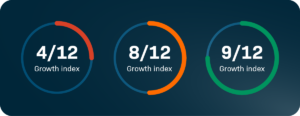
Some partners have payments live but limited visibility into performance. Others are actively growing adoption but still optimizing reactively. More mature programs have clear KPIs, cross-functional alignment and a consistent approach to optimization.
At the strategic level, payments becomes a revenue driver and differentiator with a clear role in your product roadmap, customer value proposition and growth strategy.
The goal isn’t simply to reach a higher maturity stage. It’s to understand where your program stands today and where to focus next.
Find your next growth opportunity
Getting embedded payments live is an important milestone. What happens next determines how much value the program can create.
The Fortis Partner Growth Index gives you a quick way to assess your payments program across revenue visibility, payment adoption, integration flexibility and strategic alignment, and identify where greater opportunities may exist.
It takes under two minutes, and you’ll receive a personalized score that gives you a clearer picture of where your program stands today.
If you want to go deeper, a Fortis payments expert can walk through your results with your team and help identify where to focus next.
See where your payments program stands.