
Why Modern Payment Experiences Are Now Critical to Customer Retention
As organizations look ahead to 2026, one reality is already clear: customer expectations around payments have permanently changed. What once felt like a competitive differentiator—fast, flexible, digital payment options—has become the baseline.
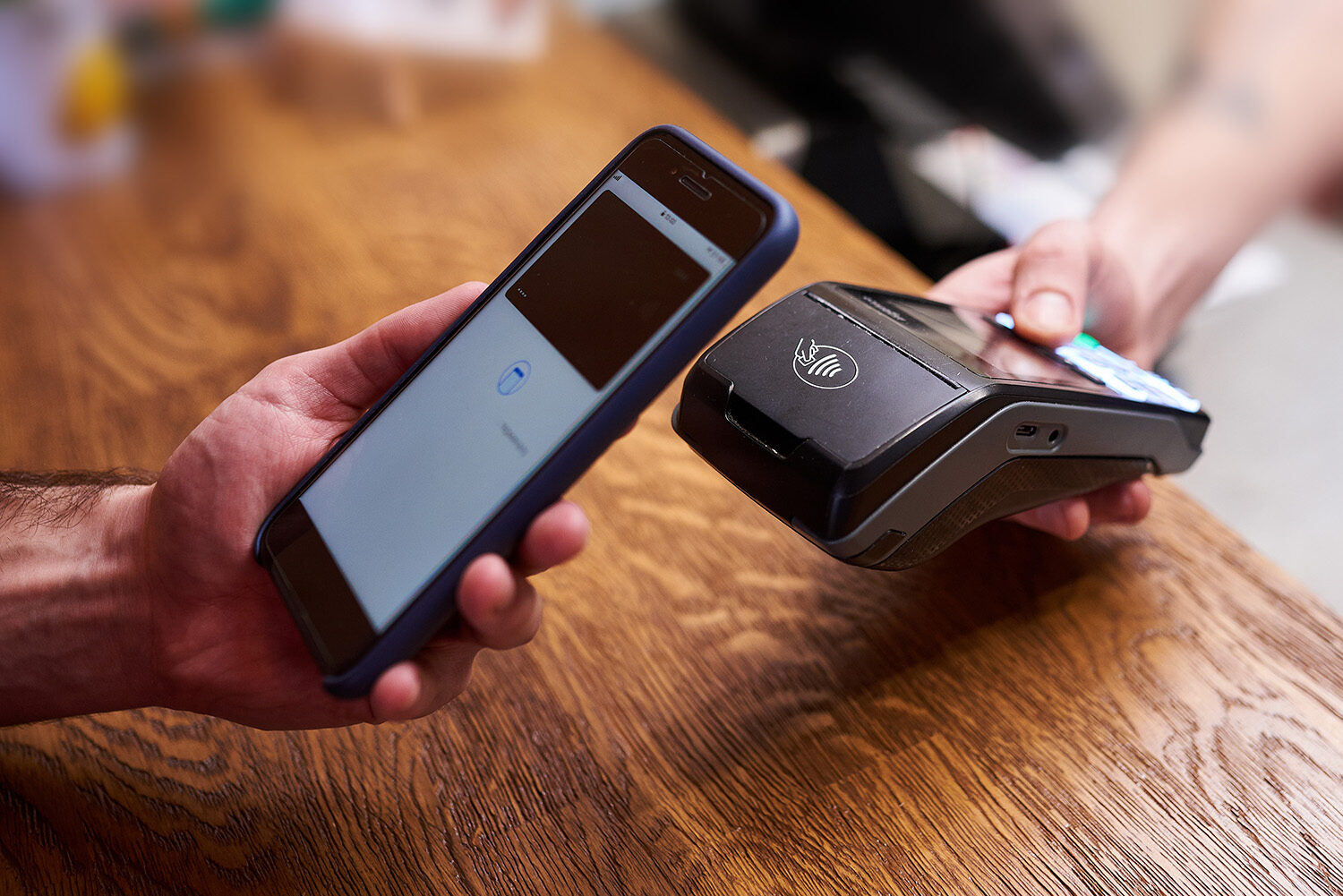
Digital wallets such as Apple Pay, Google Pay, PayPal, and Venmo are no longer viewed as emerging capabilities or optional enhancements. They reflect how customers expect digital experiences to work. When those expectations aren’t met, friction shows up quickly—and over time, that friction impacts trust, satisfaction, and retention.
For businesses, software platforms, and ISVs, the strategic implication isn’t about unlocking incremental payment revenue. It’s about protecting customer relationships by removing moments of friction that quietly erode loyalty.
Digital Wallet Adoption Reflects Changing Expectations
Digital wallet adoption continues to accelerate globally, but the real signal isn’t adoption alone. It’s what that adoption says about customer tolerance for friction.
According to Capital One Shopping, over 4.3 billion people worldwide used digital wallets in 2024, with usage projected to reach 5.8 billion by 2029. In the U.S., more than half of adults already rely on digital wallets—not because they’re novel, but because they’re faster, simpler, and feel more secure.
Wallets succeed because they remove effort from the transaction. Biometric authentication, tokenization, and stored credentials allow payments to happen quickly and confidently, without forcing customers to think about the mechanics behind them.
Payment Expectations Are Retention Expectations
Digital wallets now account for 53% of global online purchases and 32% of in-store transactions, according to Capital One Shopping. But the more telling insight is behavioral, not transactional: 51% of digital wallet users have stopped shopping with a business that only accepted traditional payment methods.
This isn’t about preference. It’s about patience—or the lack of it. When payment experiences feel outdated or inconvenient, customers don’t just notice. They interpret that friction as a signal about the organization itself.
Over time, those signals compound—and churn follows. The payment experience has become one of the most visible drivers of customer retention.
Why This Shift Matters for Platforms and ISVs
For software platforms and ISVs, payment experience is inseparable from product experience. As payments become embedded into workflows, any friction at the point of payment reflects back on the platform delivering it.
Digital wallets are increasingly used for:
- Embedded payments within vertical SaaS platforms
- Subscription-based B2B purchases and renewals
- Mobile invoicing and field-service interactions
- Corporate and virtual card transactions
In these environments, even minor points of friction can trigger outsized consequences—support tickets, delayed payments, abandoned transactions, or strained customer relationships.
Each issue may seem small in isolation. Together, they erode long-term loyalty.
The Convergence of eCommerce and B2B Expectations
Another critical shift heading into 2026 is the convergence of consumer and business payment expectations.
Today’s business buyers are also consumers—and they increasingly expect the same speed, flexibility, and familiarity in professional transactions that they experience personally. As B2B interactions move toward self-serve, digital-first models, tolerance for rigid or manual payment processes continues to shrink. Digital wallets sit at the center of this convergence. They offer a consistent experience across personal and professional contexts, reinforcing a simple truth: ease is no longer channel-specific.
For organizations focused on retention, consistency across experiences matters. Friction in one channel doesn’t stay isolated—it influences how customers perceive the entire relationship.
Digital Wallets as Signals of Experience Maturity
Digital wallets are evolving beyond simple card storage. Many now support additional payment rails and use cases. But the strategic insight isn’t about feature breadth—it’s about adaptability.
Wallet support signals whether an organization’s payment infrastructure is built to:
- Reduce effort rather than introduce steps
- Integrate seamlessly into broader digital journeys
- Adapt as customer expectations evolve
Organizations that lack this flexibility may not lose customers overnight. But over time, misaligned experiences quietly increase dissatisfaction—and attrition becomes inevitable.
Why Fortis Thinks About Payments Differently
At Fortis, we see payment experience as a critical extension of the customer relationship—not just a transaction layer. As expectations continue to rise, modern payment strategies must be designed to reduce friction, reinforce trust, and scale alongside customer growth.
That’s why we focus on helping platforms, ISVs, and businesses align payment experiences with how customers actually want to interact—today and in the future. When payments work the way users expect, they strengthen retention instead of putting it at risk.
The Bottom Line: Retention Follows Experience
Retention is no longer driven by individual transactions—it’s shaped by cumulative experience. Payment flows that feel slow, manual, or disconnected from the rest of the journey quietly undermine trust.
Heading into 2026, the organizations that win on retention will be the ones that remove friction wherever it appears—especially at the point of payment. When payment experiences work the way customers expect, they fade into the background.
And that’s exactly where they belong.
Let’s start the conversation about how payment experience impacts customer retention.
More posts in Blog
-

Embedded Payments in Field Service Software: Why Getting Paid Slows Down—and How Platforms Can Close the Gap
-

Embedded Payments in Manufacturing & Distribution: Why Order-to-Cash Slows Down—and How Platforms Help Accelerate It
-

Embedded Payments in Construction: Why Cash Flow Breaks Down—and How Platforms Turn it into an Advantage